One of the biggest mistakes people make when trying to lose weight Is trusting the label.
- “Low fat.”
- “Diet.”
- “Gluten-free.”
- “Healthy.”
These words sound like progress. But in many cases, they’re exactly what’s holding people back. Because weight loss isn’t just about what sounds healthy…
It’s about what actually drives metabolism, satiety, and fat loss.
The Real Problem: Misleading Nutrition

Most people don’t fail because they’re not trying. They fail because they’re making well-intentioned choices based on bad assumptions. And the food industry knows exactly how to market to that. So let’s break down some of the most common “diet” foods that don’t actually help with weight loss—and why.
1. Diet Soda: The “Better” Choice That Doesn’t Deliver
Switching from regular soda to diet soda feels like a smart move.
No calories. No sugar.
But here’s the issue:
There’s no strong evidence that diet soda actually leads to meaningful weight loss—and some ingredients may even negatively impact metabolic health.
More importantly, it keeps the habit loop alive.
You’re still reinforcing cravings for sweetness.
Better strategy:
Water. Hydration. Breaking the cycle.
2. Low-Fat Yogurt: When “Low Fat” Means High Sugar
“Low fat” sounds like weight-loss-friendly.
But when fat is removed…
Flavor goes with it.
So what gets added?
Sugar. Artificial sweeteners. Additives.
And here’s the kicker:
People tend to eat more of “low-fat” foods, thinking they’re making a healthier choice—often increasing total calorie intake.
3. Margarine: The “Healthy” Swap That Backfires
Margarine was introduced as a better alternative to butter.
But many forms contain trans fats, which are associated with:
- increased cardiovascular risk
- metabolic disruption
- impaired fat metabolism
Better option: natural fats like olive oil or avocado oil in moderation.
4. Agave Syrup: The “Natural” Sweetener Trap
Agave is marketed as a healthier alternative to sugar.
But it’s high in fructose.
And high fructose intake is linked to:
- metabolic dysfunction
- increased fat storage
- potential cardiovascular risk
Natural doesn’t always mean beneficial.
5. Fruit Juice: When Healthy Becomes High-Calorie
Whole fruit? Great.
Fruit juice? Very different story.
Juice:
- Removes fiber
- Reduces satiety
- Often adds extra sugar
Which means you can consume more calories without feeling full
Eat your fruit—don’t drink it.
6. Gluten-Free Foods (When You Don’t Need Them)
For patients with celiac disease or gluten sensitivity, this matters.
For everyone else?
Not so much.
Gluten-free products often:
- don’t improve weight loss
- may be less filling
- can lead to increased overall intake
The goal isn’t restriction—it’s satiety and metabolic balance.
7. “Healthy” Frozen Meals: Convenient, But Costly
Low-calorie frozen meals seem like a perfect solution.
But to maintain shelf life, they often contain:
- high sodium
- preservatives
- additives
This can lead to:
- water retention
- increased hunger
- poor long-term adherence
Fresh, whole foods will always outperform processed convenience.
8. High-Fiber Snack Bars: Too Much of a Good Thing
Fiber is essential.
But concentrated fiber in bars can:
- cause digestive discomfort
- disrupt normal gut function
- reduce consistency in metabolism
Fiber works best when consumed throughout the day from whole foods.
The Bigger Picture: Why People Get Stuck
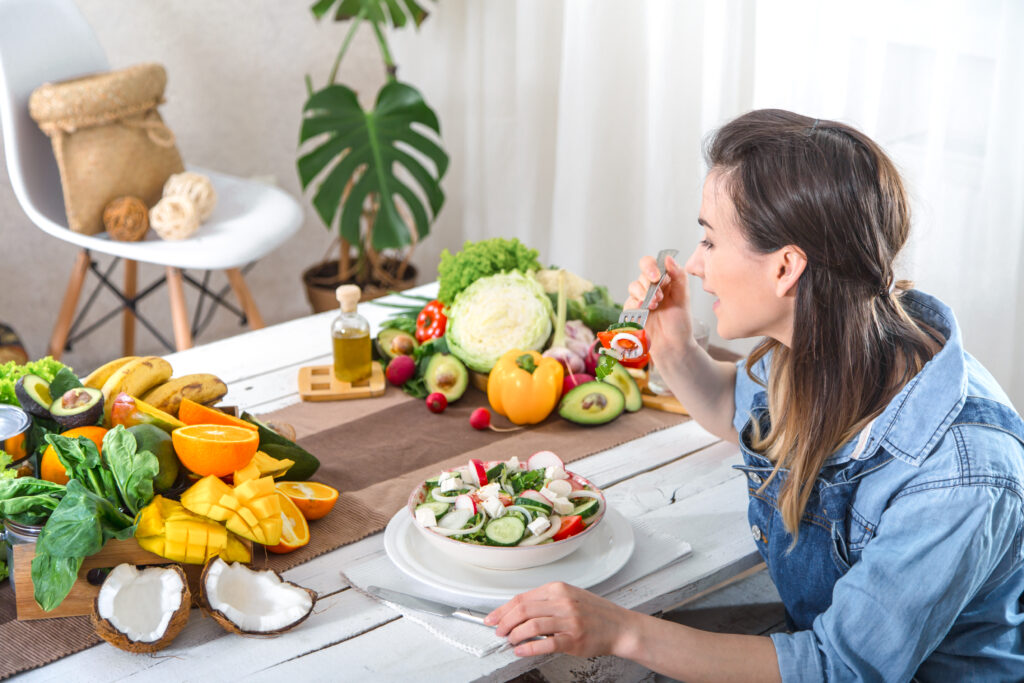
Most people aren’t overeating junk food.
They’re overeating “healthy” food that doesn’t support their goals.
And that creates confusion:
“I’m doing everything right… Why am I not losing weight?”
Because:
Labels don’t equal physiology
Marketing doesn’t equal metabolism
What Actually Works
If you strip it down, successful weight loss is built on:
- Whole, minimally processed foods
- Adequate protein intake (for satiety and muscle preservation)
- Consistent eating patterns
- Hydration
- Avoiding extremes and fad diets
And most importantly:
A structured, medically guided plan when needed
Final Takeaway
If your weight loss has stalled…
It may not be your effort.
It may be the foods you’ve been told are “helping.”
Because sometimes the biggest barrier to progress isn’t what you’re doing wrong—
It’s what you think you’re doing right.
Want a Deeper Breakdown?
If you want a more detailed look at these foods and how they impact weight loss, read the original article here:
https://www.weightlossandvitality.com/blog/diet-foods-that-do-not-aid-in-weight-loss